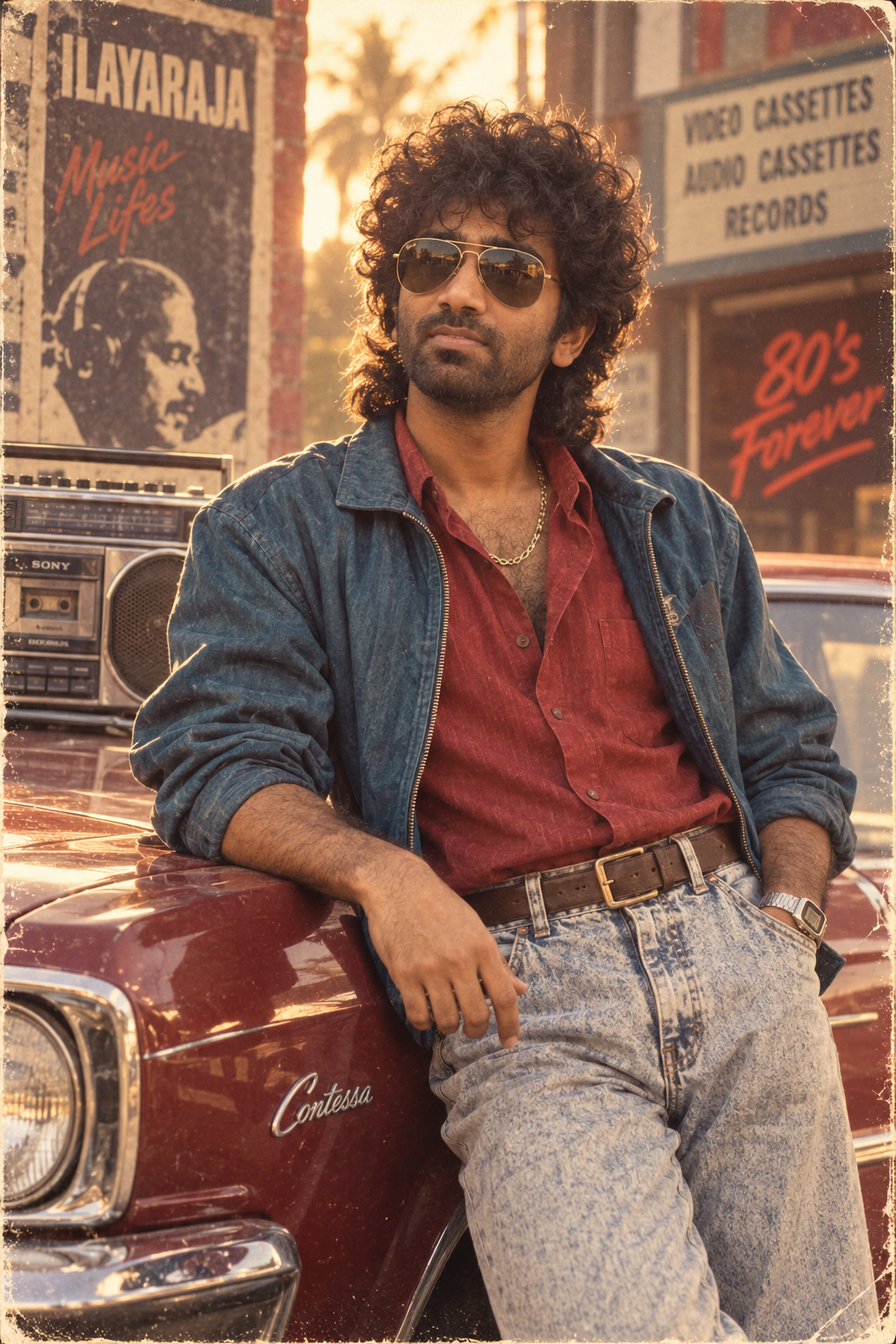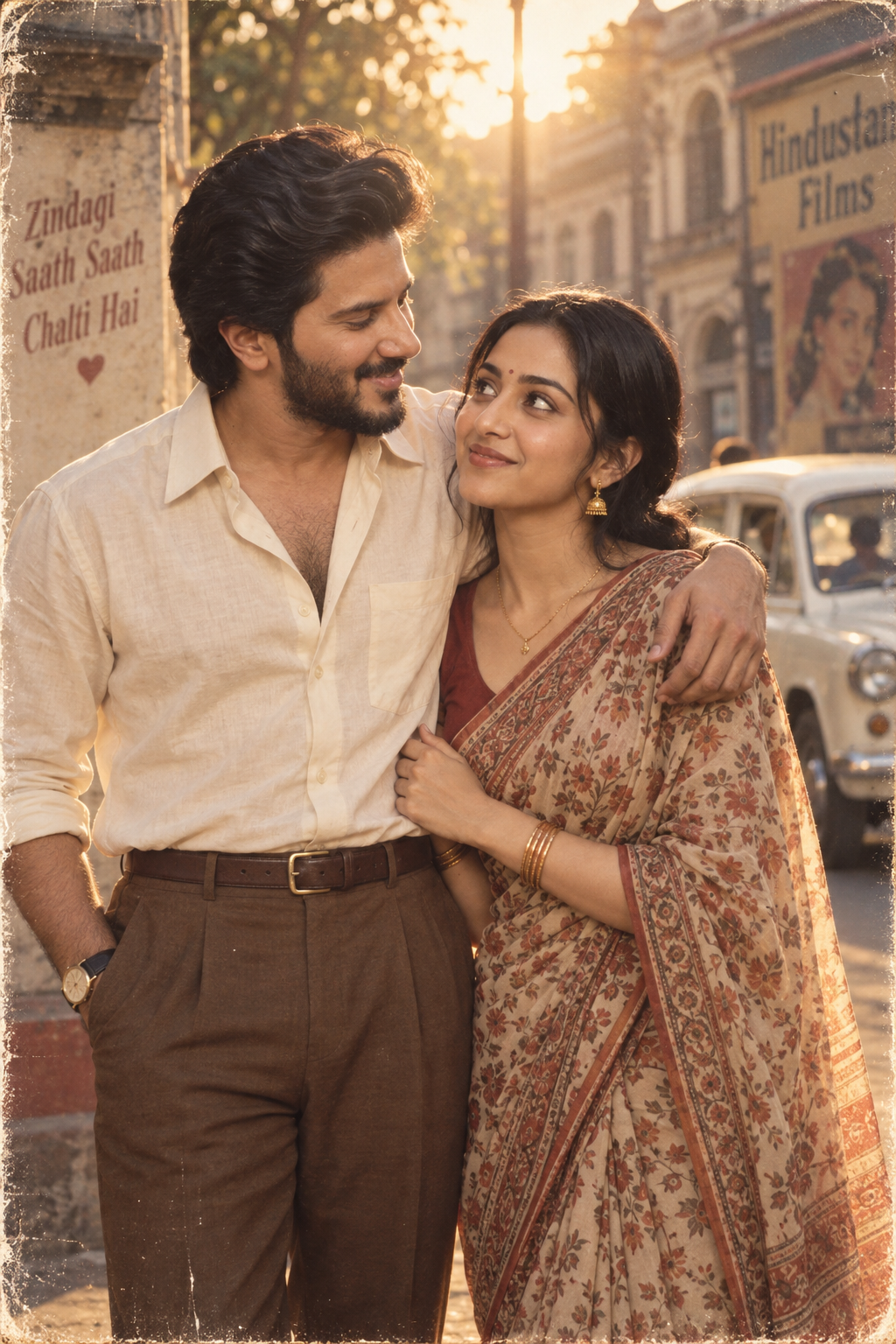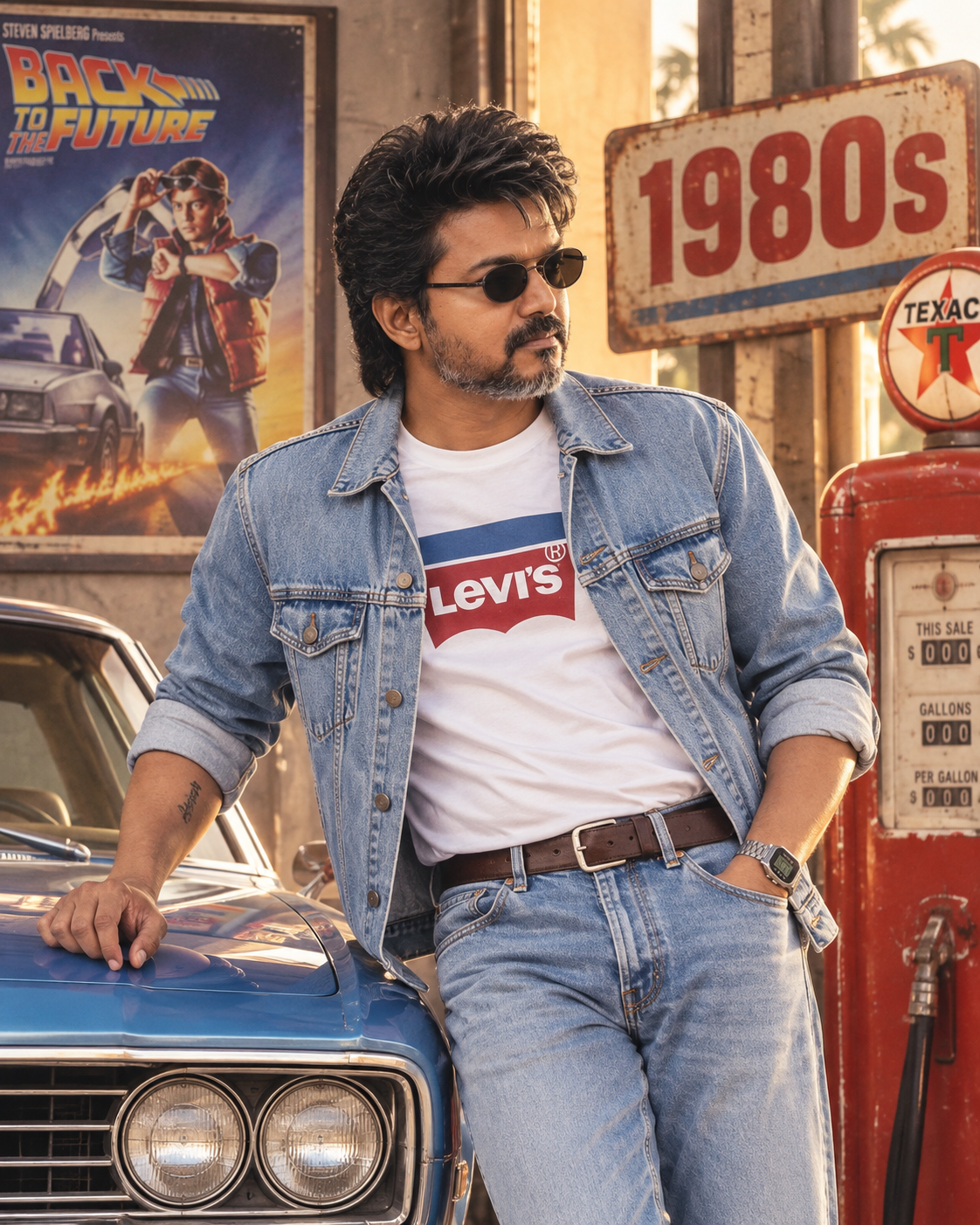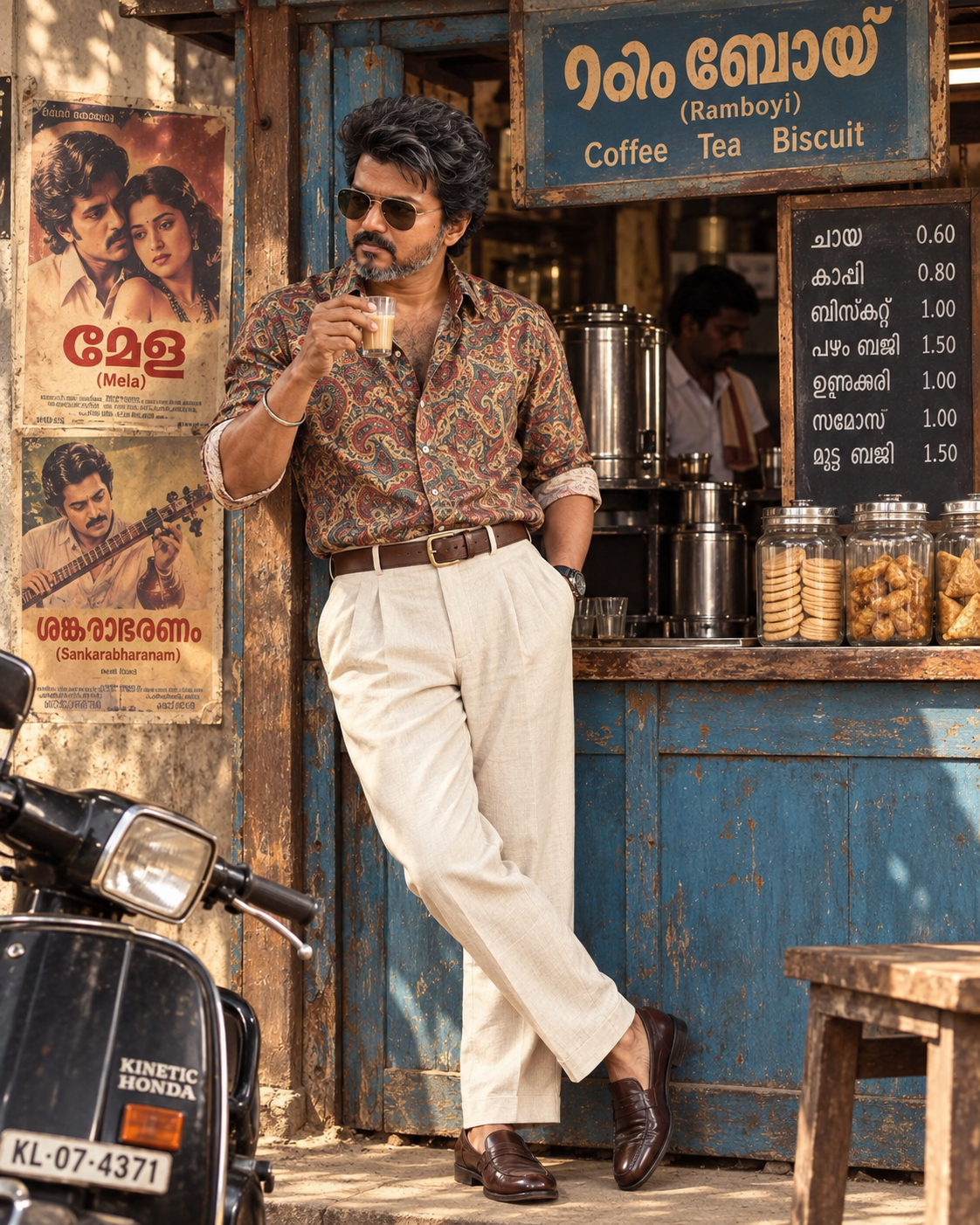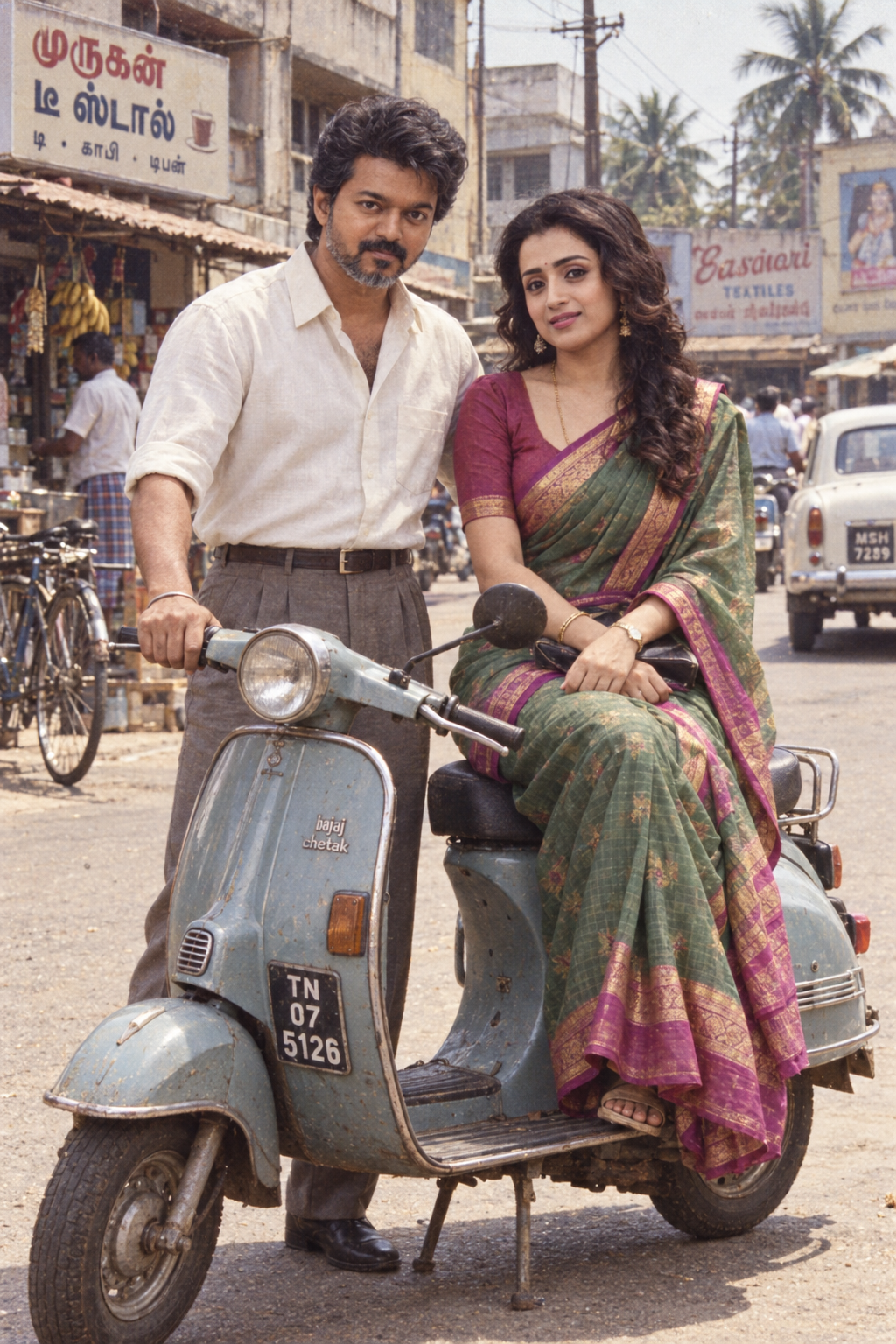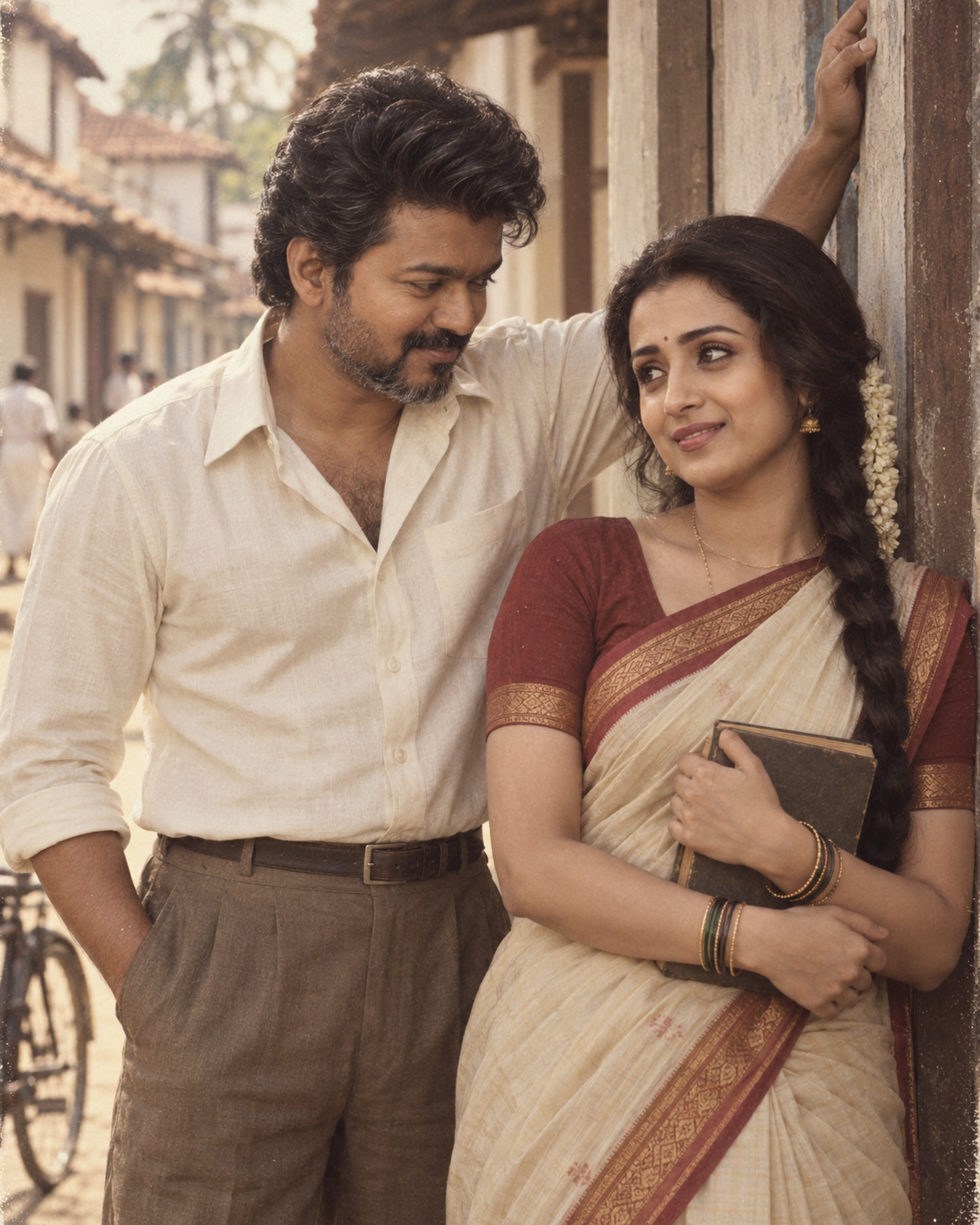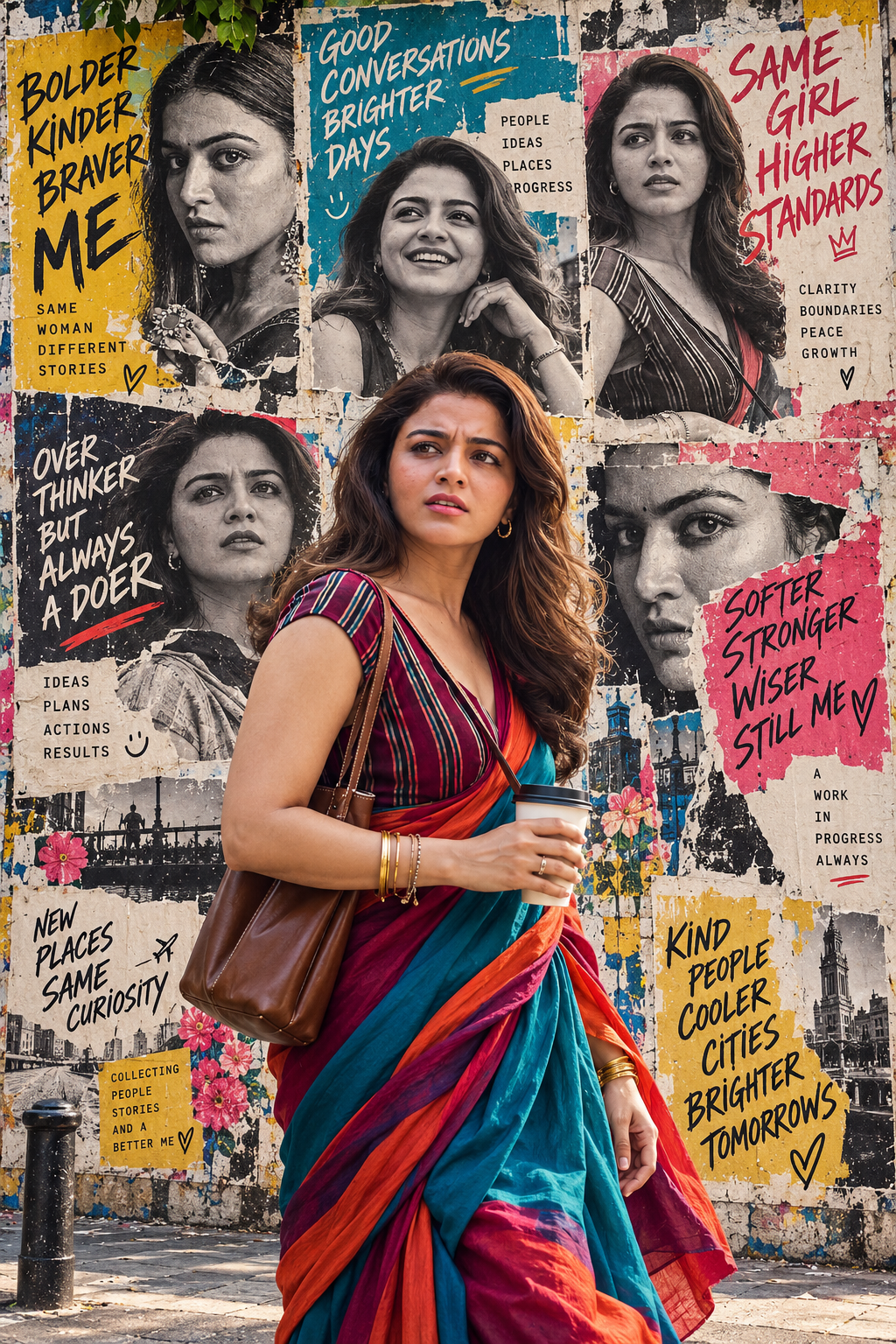
Editorial Woman portrait photography
chatgptimages70
Prompt
Create a portrait-style artwork.

Assume the roles of a PR creative director, art director, editorial designer, graphic designer, photo collage artist, typographer, and high-end print director.

Analyze the provided social media (SNS) profile and post screenshots as your primary source of information. Interpret the subject—their activities, values, unique traits, "vibe," content, tone, target audience, and outlook on life—and translate these elements into a high-quality, timeless visual concept:

"Urban street advertising × poster series × live-action photo collage × handmade-style typography"

Produce a polished, sophisticated visual piece based on this concept.

This is not merely a reproduction of a social media screen. Do not include social media interface (UI) elements such as post cards, follow buttons, verification badges, or smartphone screen frames.

The central figure is a pedestrian on the street. Depict this figure as an embodiment of the character distilled from the provided screenshots; in other words, treat the pedestrian as a personification of the account's persona.

The scene should be rich in narrative—encompassing the character, the street corner, the wall behind them, and the surrounding atmosphere. The figure should reflect the character's personality, values, vibe, and distinctive traits. The composition must harmoniously blend the background, the character, and the poster series.

The final output is a single portrait-oriented image. The setting is a city street, with the character standing naturally in the center of the frame against a wall... conveying a sense of movement and a lasting impression, alongside high overall execution quality.

Consider the character's persona, their positioning relative to the wall, and the overall composition of these elements.
The display consists of 6 to 15 posters; While the composition is flexible and each design unique, ensure a sense of unity as part of the same brand campaign.
Treat the entire wall surface as a single, cohesive canvas.
Balance the placement of the character figure with the available wall space; avoid a scene that feels too sparse or empty, yet prevent a look that is overly cluttered. Create an atmosphere that feels spacious yet engaging. Design the character by integrating elements derived from the provided screenshots—such as communication themes, expertise, tone of voice, values, energy, nature of contribution, color palette, interaction distance with the audience, intelligence, approachability, an "edgy" (bold/unique) quality, charm, and an experimental spirit.

The character must not be a generic or commonplace figure;
they must embody the following concept:
"If this account were a real person walking through the city, this is what they would look like."

Reflect the colors, personality, activities, and values drawn from the screenshots in the character's clothing, hairstyle, accessories, posture, and gait.
You may add a few props—such as a bag, PC, notebook, camera, or creative tools—if necessary, but ensure they are symbolic and do not make the design look too crowded or cluttered.

The background plays a crucial role.
Do not simply copy content from the screenshots onto the poster; instead, highlight keywords, ideas, tone of voice, values, unique characteristics, emotions, and impactful phrases. For each poster, create a distinctive identity by utilizing elements such as:
bold, striking typography
black-and-white character photography or candid shots
product imagery
hand-drawn style text
paper-cut or collage aesthetics
vibrant, vivid color blocks
print-style aesthetics with a limited color palette
halftone dot patterns or print textures

While each poster possesses its own uniqueness, they must all feel cohesive and harmonious... The designs should be clearly recognizable as part of a unified campaign.
To achieve this, leverage elements such as color schemes, signature typography, photographic textures, a raw print-like feel, brand personality/attitude, recurring motifs, and a unified overall energy.

Treat text not merely as a vehicle for information, but as a visual element with a strong presence—something that appears as a graphic shape from a distance yet reads as words up close. For typography, aim for the following characteristics:
Large scale
Bold, assertive feel
Irregularity
"Cut-and-paste" aesthetic
Handcrafted feel
Varied stroke weight (avoiding uniform thickness)

Strike a balance between:
"Designed roughness"
Quality and design